Ideas for the age of questions
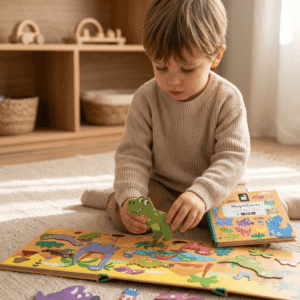
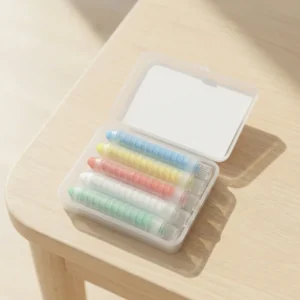
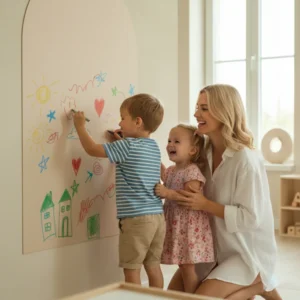
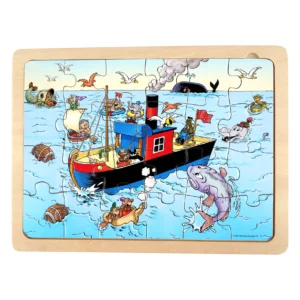
From 2 to 3 years old, vocabulary explodes, hands become more precise, and make-believe gains entire stories. It is the age when matching games, frame puzzles, and the first chalk scribbles make the most sense, and when helping to name emotions is worth just as much as any toy.

Small gifts that always hit the mark
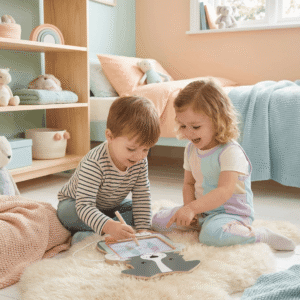
To play together
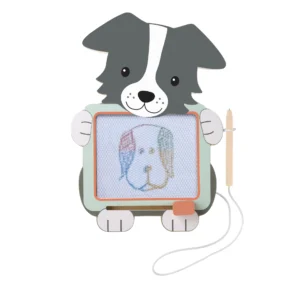
Cross out, erase and start again
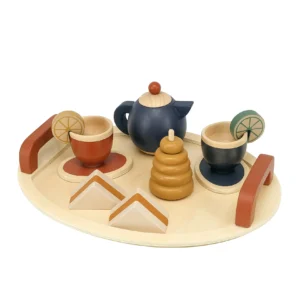
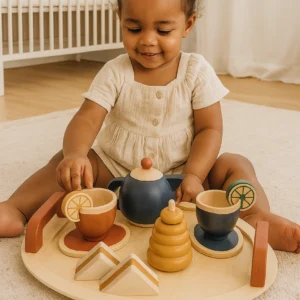
Serve tea and cook like the grown-ups


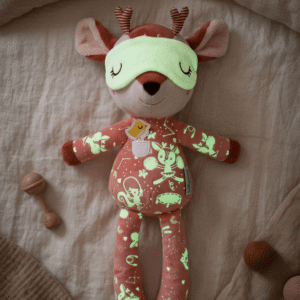
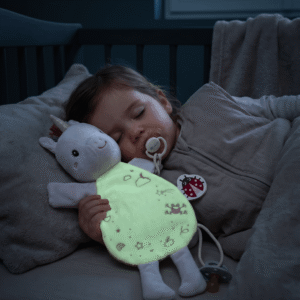
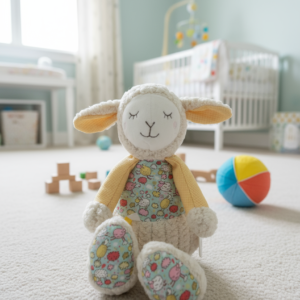
Glow-in-the-dark companions


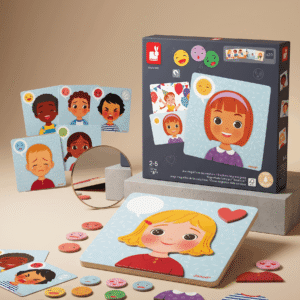
To talk about what one feels
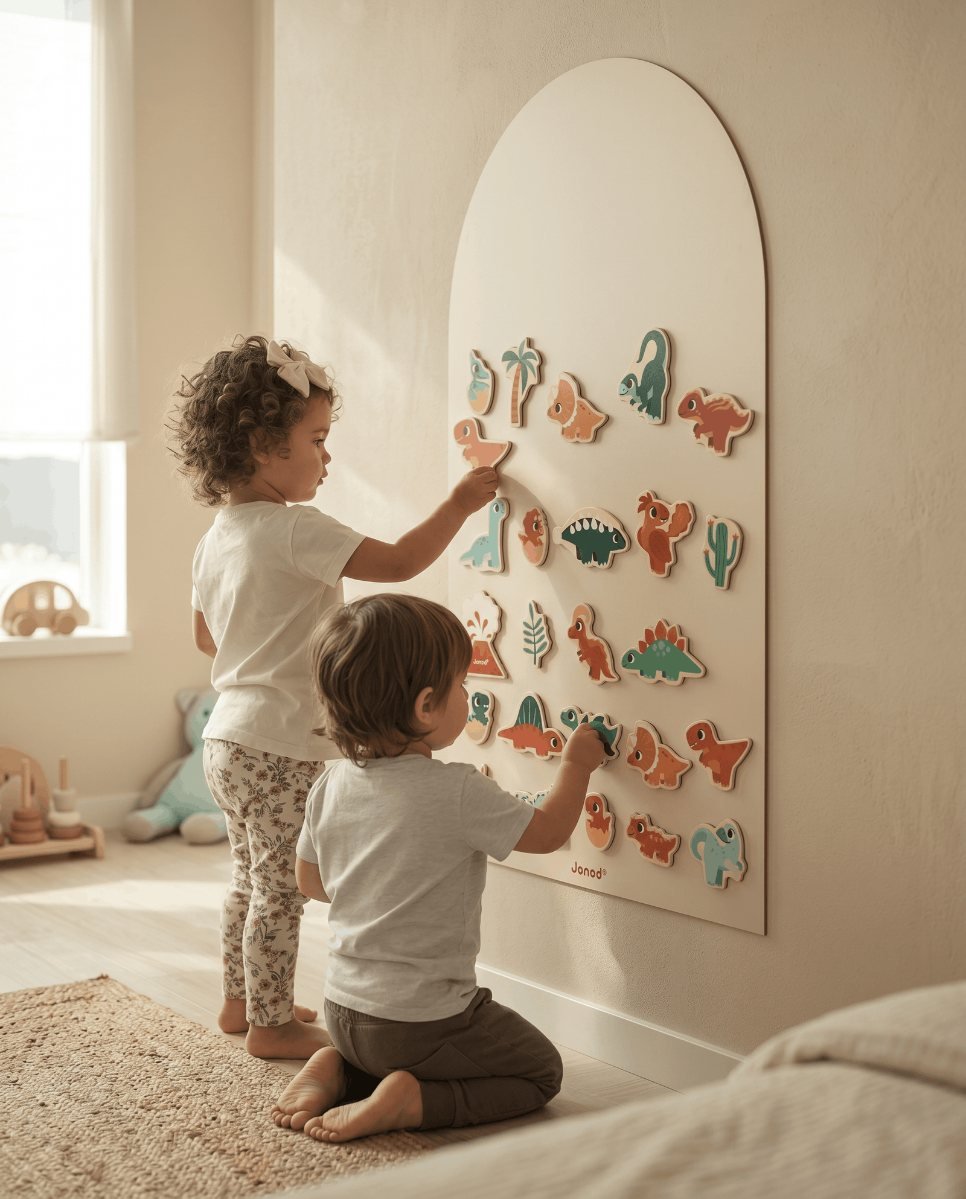
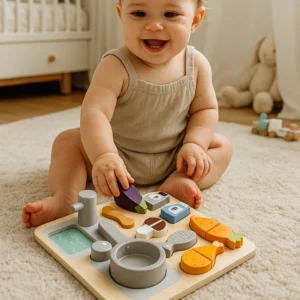
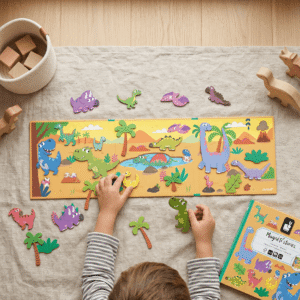
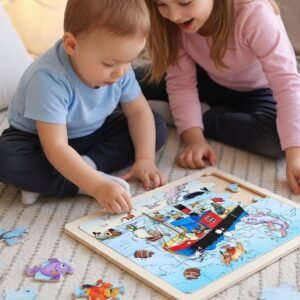
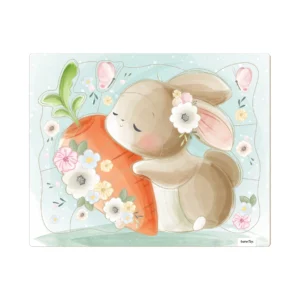
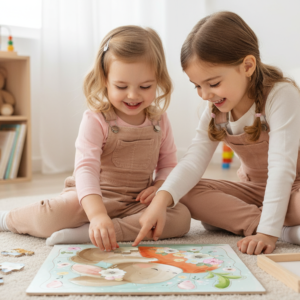
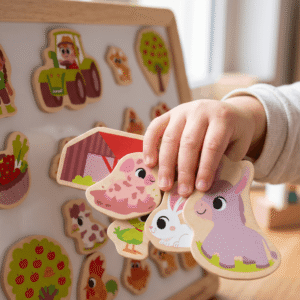
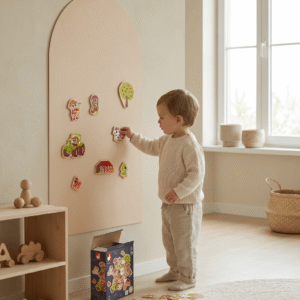
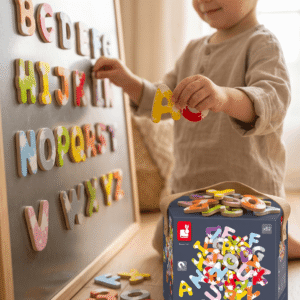
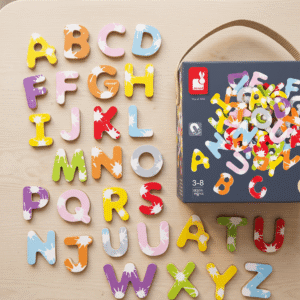
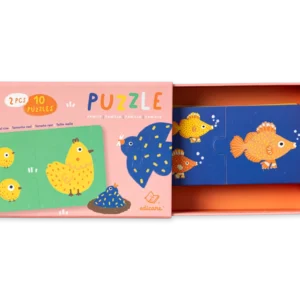
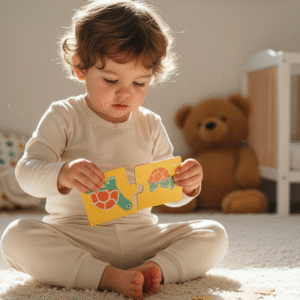
At age 2, frame puzzles, matching games, wooden magnets, and anything that allows drawing and erasing work well. These are toys that the child can use independently and that accompany the vocabulary explosion of this age.
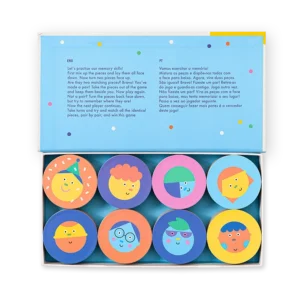
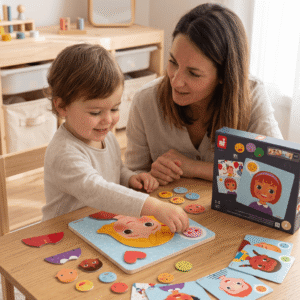
Games that help name emotions, such as the magnetic emotion game, give children words for what they feel and are a real help at this stage. They do not replace routine and boundaries, but they make conversation easier.
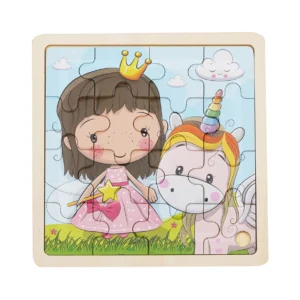
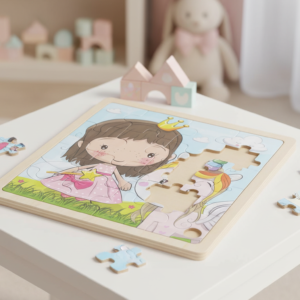
Between 4 and 12 pieces, preferably in a wooden frame and with knobs. Larger puzzles cause more frustration than stimulation at this age.
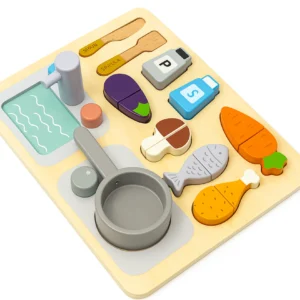
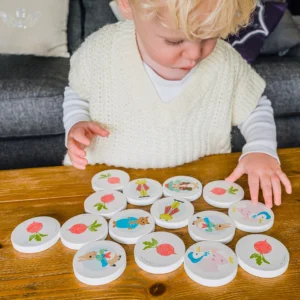
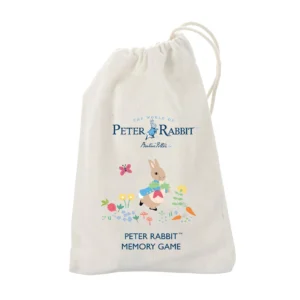
The ones that grow with the child: a magnetic board with magnets, a wooden tea set, or a memory game continue to be used at ages 4 and 5, with different types of play.
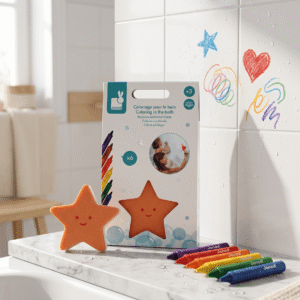
Wood is stronger, and has a weight and texture that help the child understand what they are handling, and it lasts long enough to pass down to siblings. In contrast, silicone is better for bath time and for the phase when everything goes in the mouth. In practice, the right material depends on the use.
Looking for a different age? Check out the ideas for the following age groups.